April 25, 2026
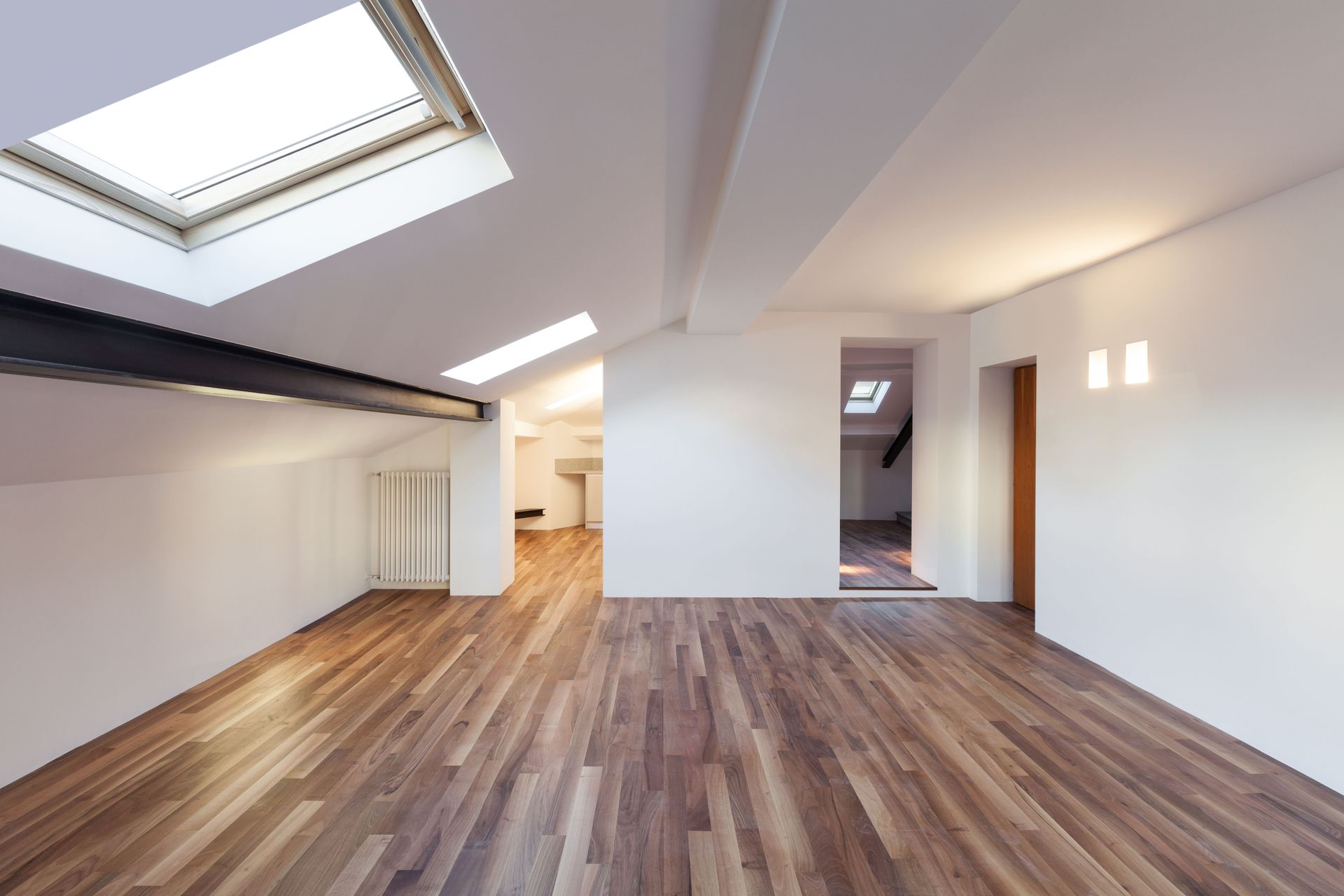
Wood flooring continues to be one of the most popular choices for homeowners who want a combination of natural beauty, durability, and long-term value. The warmth and character of real wood can transform the look and feel of a home, creating an inviting atmosphere that works well with a wide variety of interior styles. From traditional homes to modern living spaces, wood flooring provides a timeless foundation that rarely goes out of style.
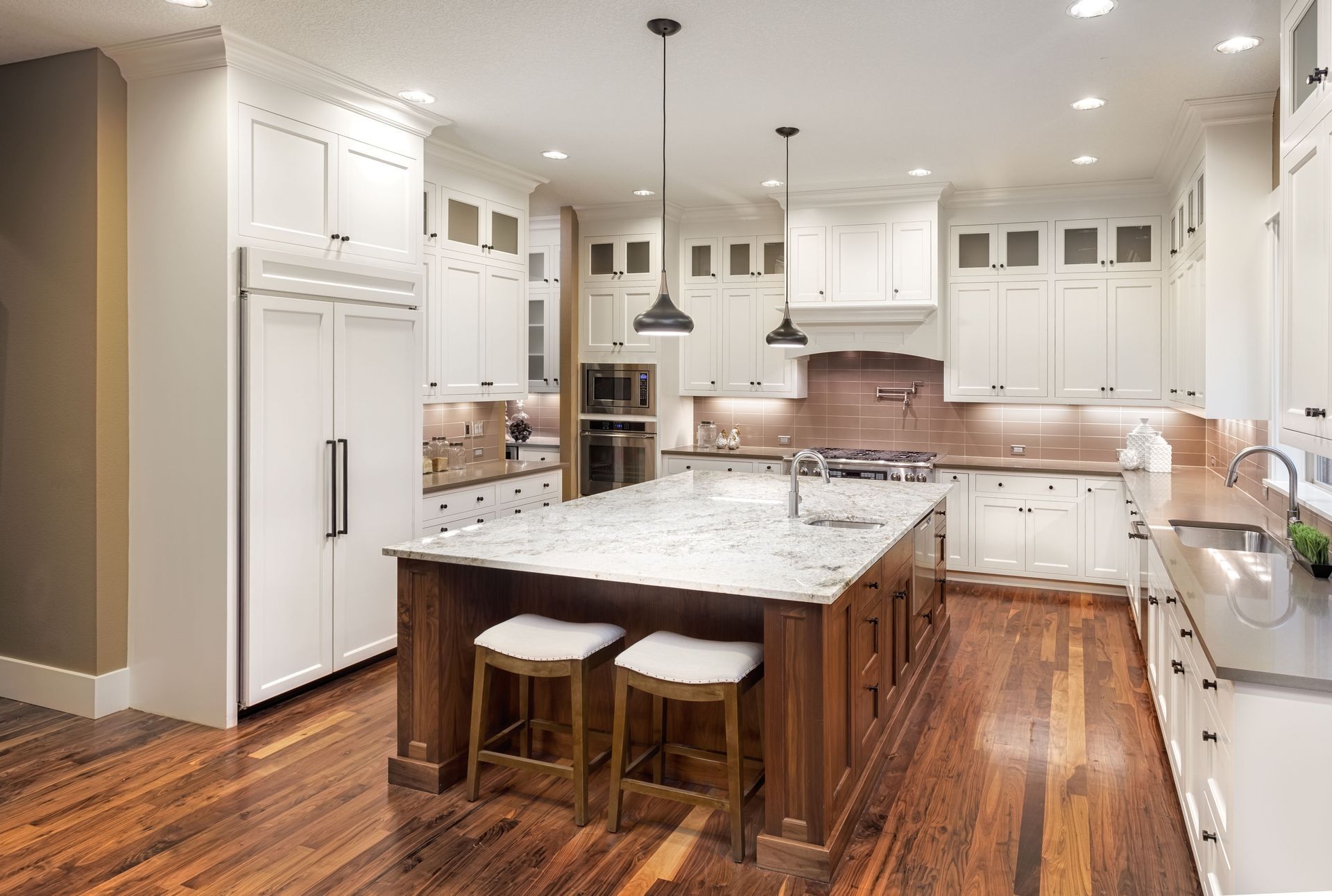
Many homeowners exploring wood flooring and hardwood floor installations are drawn to the material's versatility. Wood can be customized through different species, finishes, colors, and plank sizes to complement nearly any design vision. In addition to aesthetic appeal, wood floors can increase property value and are often easier to maintain than carpet or other soft flooring options.
Understanding the different materials, preparation requirements, and installation considerations can make the decision process much easier. With the right information, homeowners can choose flooring that suits their lifestyle, complements their interior design goals, and provides reliable performance for many years.
Understanding Wood Flooring Options
Learning about the different types of wood flooring helps homeowners determine which material best fits their home and lifestyle. Solid hardwood is one of the most traditional and recognizable choices. Each plank is made from a single piece of wood, which allows the floor to be sanded and refinished multiple times over its lifespan. According to HomeAdvisor, solid hardwood floors can last up to 100 years with proper maintenance. Popular species such as oak, maple, and hickory offer varying grain patterns, hardness levels, and color tones that contribute to different design styles.
Engineered wood flooring offers another popular option that combines the appearance of hardwood with additional structural stability. Engineered planks feature a real wood surface layer supported by multiple layers of plywood or fiberboard. This layered construction allows the flooring to better resist expansion and contraction caused by humidity changes. Because of this stability, engineered flooring can often be installed in areas where solid hardwood may not perform as well, including basements or spaces built on concrete slabs.
Other alternatives, including bamboo or laminate products designed to mimic wood, may appeal to homeowners seeking different price points or environmental considerations. Each material provides its own balance of durability, appearance, and installation requirements. Understanding these options helps homeowners choose the best foundation for successful wood flooring and hardwood floor installations.
Evaluating Room Conditions and Design Goals
Selecting the right flooring also involves evaluating the specific needs of each room in the home. Areas with high levels of foot traffic, such as entryways and living rooms, typically benefit from harder wood species that resist dents and surface wear. Bedrooms and quieter living areas may allow for a broader range of wood choices because they experience less daily stress. Moisture levels also play an important role when deciding which flooring materials will perform best in certain spaces.
Lighting conditions and room size can influence how wood flooring appears once installed. Lighter wood tones can make smaller rooms feel more open and bright, while darker stains create a rich and dramatic appearance in larger spaces. Grain patterns and plank widths also contribute to the visual effect. Wide planks often enhance contemporary layouts, while narrower boards or patterned installations can add classic character to traditional interiors.
Homeowners planning wood flooring and hardwood floor installations should also think about how flooring connects from one room to another. Maintaining a consistent flooring style throughout main living areas can create a smooth visual flow, making the home feel more cohesive. When flooring choices align with decor, lighting, and architectural features, the finished space feels intentional and well-balanced.
Preparing the Home for Installation
Proper preparation is a crucial step in achieving successful flooring results. Before installation begins, the subfloor must be inspected carefully to ensure that it is level, dry, and structurally sound. Any uneven areas, moisture issues, or damaged materials should be addressed before new flooring is installed. Failing to prepare the subfloor correctly can lead to problems such as uneven boards, squeaking, or premature wear.
Another important step involves allowing the wood flooring to acclimate to the home's environment. Wood is a natural material that expands and contracts in response to temperature and humidity changes. By storing the flooring materials inside the home for several days before installation, the boards have time to adjust to indoor conditions. This process helps reduce the risk of gaps or warping after the flooring is installed.
Furniture removal, baseboard preparation, and layout planning are also part of the preparation phase. Installers often determine the direction of the planks and the starting point of the installation to achieve the most balanced visual layout. Taking the time to complete these steps thoroughly helps ensure that wood flooring and hardwood floor installations proceed smoothly and produce a professional finish.
Installing Hardwood Flooring with Precision
The installation process requires careful attention to detail and proper technique. Depending on the flooring type and the structure of the home, wood planks may be nailed, stapled, glued, or floated over the subfloor. Nail-down installations are common for solid hardwood flooring, while engineered products may allow for a wider range of installation methods. Each technique is designed to secure the boards while allowing natural expansion and contraction.
During installation, installers work methodically across the room while maintaining consistent spacing between boards and walls. Small expansion gaps are typically left around the edges of the room to allow the wood to move naturally with seasonal humidity changes. These gaps are later covered by baseboards or trim to maintain a clean and polished appearance.
Professional installation can help ensure that wood flooring and hardwood floor installations meet performance expectations. Skilled installers understand how to address layout challenges, adjust boards for tight fits, and manage transitions between rooms. Their experience often leads to a smoother installation process and a finished floor that looks uniform and performs reliably over time.
Maintaining Long-Term Floor Performance
Once the flooring is installed, regular maintenance plays a major role in preserving its appearance and durability. Routine sweeping or vacuuming removes dirt and debris that could scratch the surface over time. Using manufacturer-recommended cleaning products helps protect the finish while keeping the floor looking clean and polished. Simple habits such as removing shoes at the door and placing protective pads beneath furniture can also help reduce surface wear.
Area rugs placed in high-traffic zones provide an additional layer of protection. Entryways, hallways, and gathering spaces often experience the most daily activity, and rugs can absorb much of that impact. Maintaining consistent indoor humidity levels also helps protect wood flooring by preventing excessive expansion or contraction during seasonal changes.
Over time, some hardwood floors may benefit from refinishing to restore their original beauty. Sanding and applying a new finish can remove scratches and refresh the appearance of the floor without requiring a full replacement. With consistent care, wood flooring and hardwood floor installations can remain an attractive and dependable part of a home for decades.
Wood flooring offers a rare combination of beauty, durability, and versatility that continues to make it a top choice for homeowners. From selecting the right materials to preparing the space and maintaining the finished floor, each step contributes to the long-term success of the project. Thoughtful planning ensures that the flooring complements the home's design while also supporting everyday use. With the right approach and expert guidance, homeowners can enjoy the timeless appeal that wood floors bring to any living space. For more information about the services that we offer, reach out to our incredible team at La Casa Tile & Flooring today!